

Case Studies
Let us show you how great your success can be with case studies.
Let us show you how great your success can be with case studies.
A real-world municipal evaluation focused on operational continuity, modernization planning, and long-term readiness.
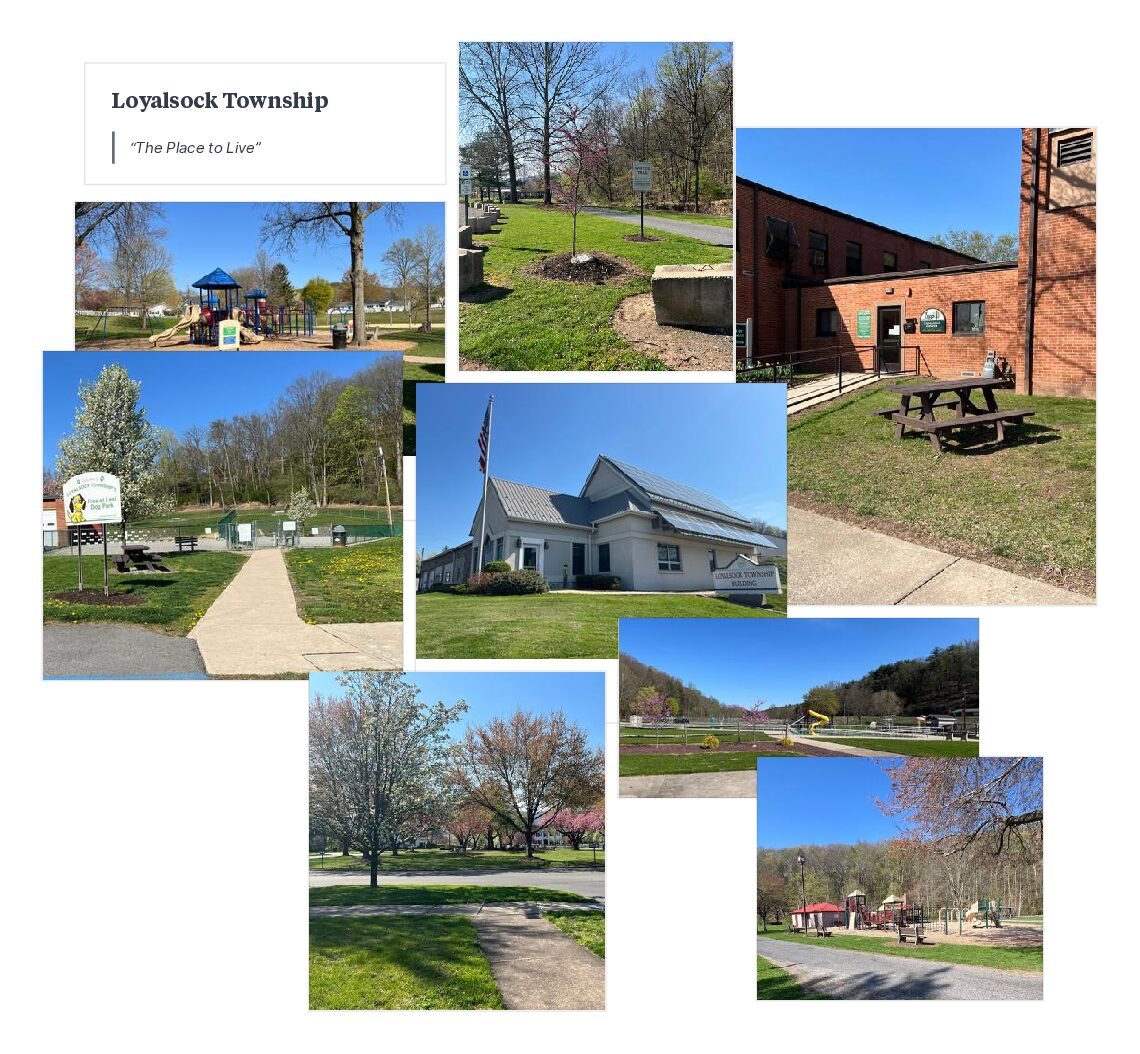
Despite its modest population size, the township manages a steady and seasonally variable workload in permitting. Winter months may bring 10–25 permits, while peak seasons accelerate activity significantly. Across building, zoning, and sewer-related approvals, Loyalsock Township processes approximately 400–600 permits annually—a volume that reflects consistent development and regulatory demand.
This workload is supported by a lean staffing structure, where efficiency and operational continuity are essential. Systems must accommodate real-world workflows without introducing unnecessary administrative friction.
That operational reality—meaningful workload, lean staffing, and evolving regulatory expectations—ultimately set the stage for a critical modernization decision.
The township's modernization journey began out of necessity. When the vendor supporting Loyalsock's legacy permitting platform announced the discontinuation of service, leadership faced an immediate operational concern.
The situation revealed more than a simple software replacement need it underscored how far existing workflows had fallen behind modern expectations.
We were essentially forced into the change - but it also showed how outdated our existing system had become.
Unsupported software introduces risk not only to data continuity but also to regulatory oversight and service delivery. At the same time, the aging platform lacked the adaptability required to support evolving municipal workflows.
Rather than treating the issue as a temporary fix, township leadership reframed the moment as an opportunity to modernize seeking a platform capable of supporting long-term permitting operations aligned with how municipal work is actually performed.
The search for a replacement platform followed a practical, structured evaluation process grounded in operational realities. Multiple solutions were assessed against criteria including:
Historical data migration quickly emerged as a defining factor. Years of permitting records represent institutional continuity that could not be compromised or fragmented.
To validate options beyond demonstrations, peer insight became a priority. A visit to Central Keystone Council of Governments (CKCOG), an active municipal MuniLogic user, allowed township leadership to observe live workflows and engage directly with municipal staff.
Seeing the system in action and hearing from another municipality gave us real confidence.
This real-world exposure clarified how the platform performs under conditions comparable to Loyalsock's, reinforcing confidence in the evaluation process.
Through this disciplined approach, the township ensured its decision would support both immediate transition needs and long-term operational resilience.
As evaluation findings came into focus, MuniLogic emerged as the platform most aligned with Loyalsock Township's modernization priorities.
The system supported core permitting and inspection workflows without requiring staff to abandon established operational logic. Migration readiness ensured historical records could be preserved a critical requirement for regulatory continuity.
Financial alignment was equally important. The township required enterprise-level capability delivered within municipal budget realities, and MuniLogic offered a balance of functionality and value that supported responsible investment.
Functionally, the systems were comparable - but when we looked at migration capability and value, MuniLogic simply made sense.
Another differentiator was the collaborative implementation philosophy. Successful modernization depends on technology adapting to municipal workflows not forcing workflows to adapt to technology.
MuniLogic's structured onboarding methodology, internally known as the E6 approach, emphasizes discovery, configuration, validation, and guided transition. This framework reinforced confidence that modernization would be deliberate, supported, and aligned with operational needs.
Following platform selection, attention shifted to transition planning. Guided by MuniLogic's E6 framework, implementation began with discovery sessions designed to surface workflow realities, permitting challenges, and operational expectations.
Configuration focused on reflecting how township staff actually perform their work rather than imposing rigid system behavior. This phase ensured modernization strengthened workflows instead of disrupting them.
Tailored demonstrations validated system alignment before onboarding progressed. A dedicated test environment allowed staff to explore workflows hands-on, building familiarity and confidence ahead of go-live.
Training followed a layered model. Structured sessions introduced system capabilities, while an online resource portal containing manuals, guides, and recorded walkthroughs provided ongoing reference access, supporting learning continuity during adoption.
Throughout migration and configuration, collaboration remained central. Modernization was approached as a guided operational transition rather than a one-time deployment event.
Loyalsock Township adopted a phased implementation strategy focused on modernizing essential regulatory workflows while maintaining operational continuity.
Initial deployment includes core MuniLogic modules aligned with township responsibilities:
Centralized management of applications, approvals, and documentation.
Structured inspection tracking and compliance oversight.
Geographic visibility supporting property coordination.
Organized record management for regulatory consistency.
Workflow configuration mirrors existing municipal processes: scheduling, documentation handling, and administrative coordination allowing staff to transition smoothly while preserving operational logic.
This measured scope establishes a modernization foundation that is immediately usable while remaining scalable for future needs.
The capability is clearly there. Like anything new, there's a learning curve, but the value is evident.
As Loyalsock Township prepares to begin issuing permits through its new platform, modernization enters its next phase real-world adoption. Preparation, workflow alignment, and training have established a strong foundation, but operational value will ultimately emerge through daily use. Leadership views this stage as a continuation of modernization rather than a finish line.
This case study captures the decision and preparation phase of Loyalsock Township's journey. Once live permitting begins, future updates will explore adoption experience, workflow efficiency, and operational impact.
This story doesn't end here. Stay tuned as Loyalsock Township transitions from preparation to full operational use.